Ambient Occlusion
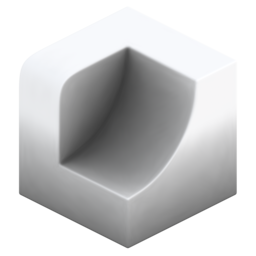
Calculate ray-traced ambient occlusion on a mesh. For more information about the ray-casting process see here. You can reduce noise by increasing ray count (expensive) or blur (cheaper).
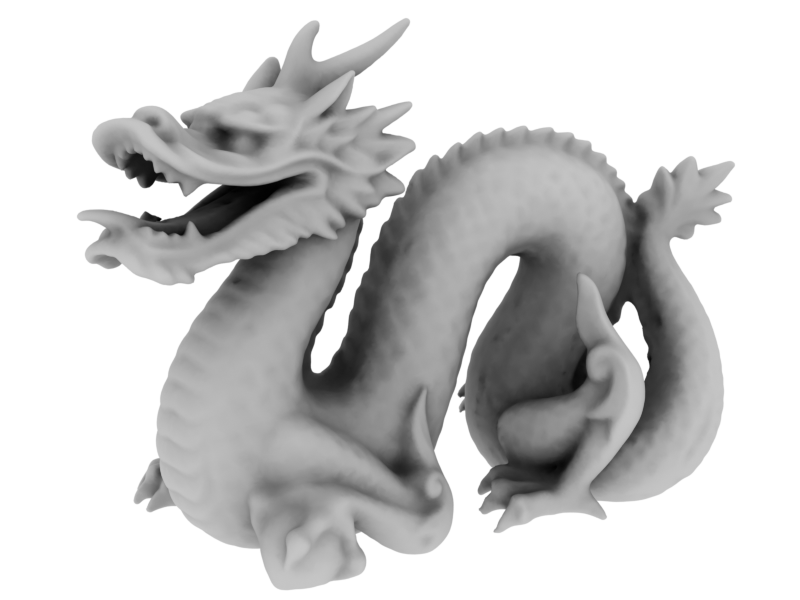
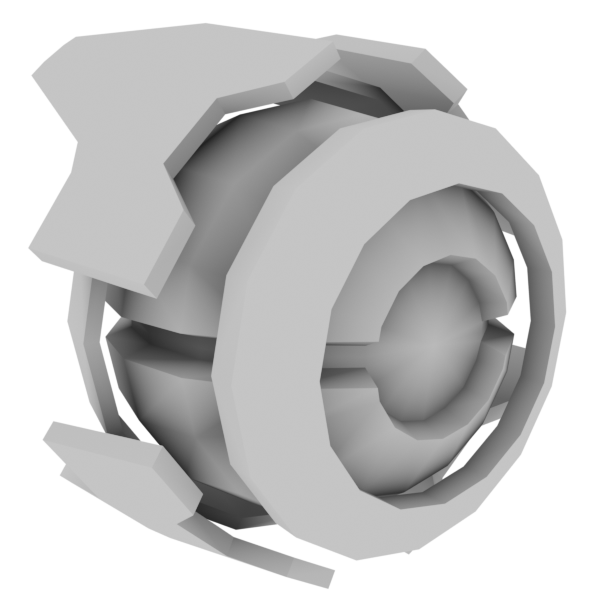
You can preserve sharp edges by switching to the Face Corner domain. This can be useful on low poly meshes:
-
Point Domain
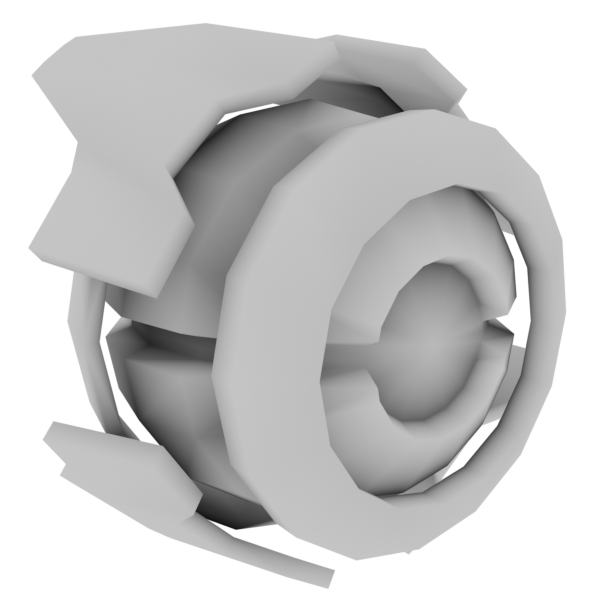
-
Face Corner Domain
Ray Length will change the "size" of the AO as rays will not collide with surfaces further away:
-
Small Ray Length
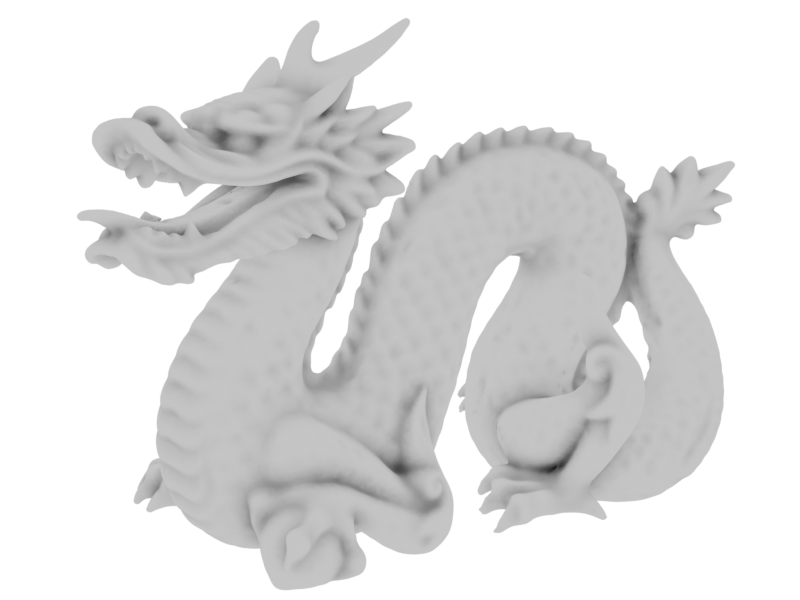
-
Large Ray Length
Outputs
- Point Occlusion: Output occlusion attribute for points (no sharp edges).
- Face Corner Occlusion: Output occlusion attribute for face corners (allows sharp edges). Domain must be set to "Face Corner".
- Color: Output occlusion as color attribute (used for visualisation).
Settings
- Strength: Raises calculated AO by a power. Increase to darken AO.
- Domain: Calculate AO per:
- Point: Calculate AO per point. Cheaper but does not allow for sharp edges.
- Face Corner: Calculate AO on face corners. More expensive but allows for sharp edges. Useful for low poly models.
- Sharp Edges: How much sharp edges affect the result. 1 = Rays use sharp edge normals, 0 = Rays use point normals (Identical to point AO).
- Offset Corners: Offset corner samples inside faces. This prevents over-darkening on larger faces.
Rays
- Accumilation: How ray values are accumilated:
- Average Hit Distance: Uses the average ray hit distance compared with the ray length. Often produces smoother results but values will change with the ray length.
- Hit Count: Uses ray hit/miss ratio. Can be noisier but values are independent of ray length.
- Ray Count: Number of rays cast from each point.
- Ray Length: Maximum distance to check for ray collisions.
- Cone Angle: Maximum ray angle from the normal. Rays will be distributed evenly in a cone up to this angle.
Blur
Blur result. Can help improve noise on dense meshes.
- Blur Iterations: How many iterations to blur the result.
- Weight: Blur weight of each iteration. Useful at very low iteration counts to reduce the blur effect.
Occlusion Geometry
- Occlusion Object: Additional object to act as occluder.
- Occlusion Collection: Additional collection of objects to act as occluders.